
PVA Glue Applications: A Scenic Designer's Best Ally
- Sean, Nick & Josh 79Below
- Mar 24
- 4 min read

When you work in film, TV, or theatre production, you need materials that perform reliably under pressure. PVA glue is one of those materials. It’s affordable, versatile, and strong enough for many scenic design tasks. We have used it countless times on set and in the workshop. It never lets us down when we need a quick, clean bond.
In this post, we will share practical insights about PVA glue applications. You’ll learn why it’s a staple in scenic design, how to use it effectively, and what to expect from it. Whether you’re building props, assembling set pieces, or finishing surfaces, this guide will help you get the most from PVA glue.
Why PVA Glue Works for Scenic Design
PVA glue, or polyvinyl acetate glue, is a water-based adhesive. It’s commonly known as white glue or wood glue. Its chemical makeup makes it ideal for porous materials like wood, paper, and fabric. That’s why it’s a go-to for scenic designers who work with these materials daily.
Here’s why PVA glue stands out:
Strong bond on porous surfaces: It penetrates fibres and creates a durable hold.
Dries clear: No unsightly glue marks on your set pieces.
Non-toxic and easy to clean: Safe to use indoors and simple to wipe off tools.
Flexible when dry: It won’t crack or become brittle, which is crucial for moving parts.
Affordable and widely available: Keeps your budget in check without sacrificing quality.
These features make PVA glue a reliable ally when you need to assemble or repair scenic elements quickly and efficiently.
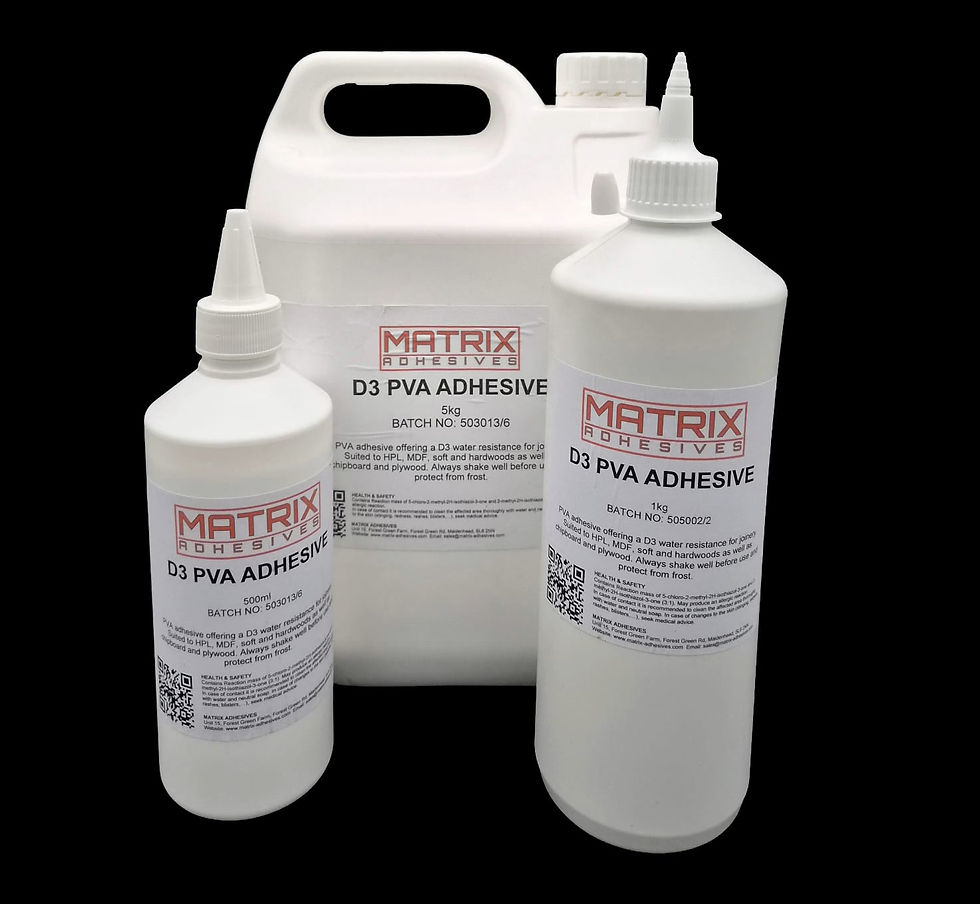
Matrix D3 PVA Size examples
PVA Glue Applications in Scenic Design
You can use PVA glue in many ways on set and in the workshop. Here are some of the most common applications:
Woodworking and Joinery
PVA glue is perfect for bonding wooden set pieces. It holds joints tightly and fills small gaps. Use clamps to secure pieces while drying for the best results.
Paper and Cardboard Assembly
Lightweight scenic elements often use paper or cardboard. PVA glue bonds these materials without warping or soaking through. It’s ideal for creating models, mock-ups, or decorative elements.
Fabric and Soft Materials
When attaching fabric to wood or cardboard, PVA glue works well. It’s flexible enough to move with the fabric and won’t cause stiffness.
Sealing and Priming Surfaces
You can dilute PVA glue with water to create a sealant. This helps prime porous surfaces before painting, reducing paint absorption and improving finish quality.
Scenic Repairs
Quick fixes on set are common. PVA glue is your friend for repairing broken props, loose joints, or torn fabric. It dries fast enough to keep production moving.
Using PVA glue for scenic design means you have a versatile tool that adapts to many tasks. It’s not just glue; it’s a multi-purpose adhesive that supports your creative process.

What is Scenic Glue?
Scenic glue refers to adhesives specifically chosen for scenic design and production work. These glues must meet certain criteria:
Strong adhesion to a variety of materials.
Fast drying times to keep production on schedule.
Non-toxic and safe for indoor use.
Flexible and durable to withstand handling and movement.
Easy to apply and clean up to save time.
PVA glue fits these requirements well. It’s often the first choice for scenic glue because it balances strength, flexibility, and ease of use. While other adhesives like hot glue or epoxy have their place, PVA glue remains the backbone of scenic construction and repair.
Its water-based formula means it won’t emit harsh fumes, which is important in enclosed studio or theatre spaces. Plus, it’s easy to store and transport, making it practical for location shoots or touring productions.
Tips for Using PVA Glue Effectively
To get the best results with PVA glue, follow these practical tips:
Prepare surfaces properly: Clean and dry surfaces before gluing. Remove dust, grease, or loose particles.
Apply evenly: Use a brush or spreader to apply a thin, even layer. Avoid over-applying, which can cause longer drying times and mess.
Clamp or press firmly: Hold glued parts together with clamps or weights until fully dry. This ensures a strong bond.
Allow sufficient drying time: PVA glue usually sets in 30 minutes but reaches full strength after 24 hours.
Store glue correctly: Keep the container sealed and store in a cool, dry place to maintain glue quality.
Dilute for sealing: Mix one part PVA glue with two parts water to create a sealing solution for porous surfaces.
By following these steps, you’ll avoid common pitfalls like weak bonds or messy glue marks. Your scenic pieces will hold up better and look cleaner.
Why Choose PVA Glue from a Trusted Supplier?
In fast-paced production environments, you need adhesives that perform consistently. Choosing PVA glue from a reliable supplier ensures you get:
High-quality adhesive with consistent viscosity and bonding strength.
Quick delivery to keep your project on track.
Technical support for product advice and troubleshooting.
Competitive pricing to manage your budget effectively.
For film, TV, and theatre crews in the UK, having a dependable supplier means less downtime and fewer surprises. You can focus on your creative work knowing your materials won’t let you down.
If you want to explore options, consider pva glue for scenic design from Matrix Adhesives. Our products are tailored to meet the demands of production crews, ensuring you always have the right adhesive on hand.
Making PVA Glue Your Go-To Adhesive
PVA glue is more than just a craft supply. It’s a practical, high-performance adhesive that supports your scenic design work every day. Its versatility, ease of use, and reliability make it indispensable on set and in the workshop.
By understanding its strengths and how to apply it correctly, you can improve the quality and durability of your scenic elements. Keep a good supply of PVA glue ready, and you’ll always have a dependable ally for your next project.
Remember, the right adhesive can make all the difference in production efficiency and final results. PVA glue is that difference for many scenic designers.
This post has covered the essential uses and benefits of PVA glue in scenic design. Use it wisely, and you’ll see how it can streamline your workflow and enhance your set pieces.


Comments